Reflection
During the semester, I have explored various professional design tools and processes. Most importantly,
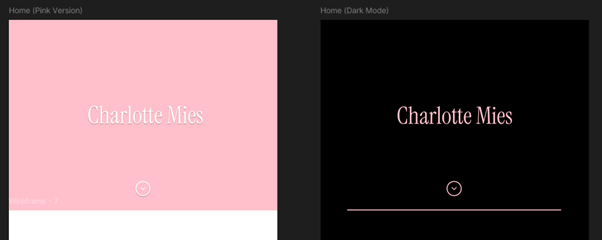
I have started using Figma to make designs and initial moodboards for the first phases of my projects.
This is something I mainly implemented in the branding project and for my own portfolio. In the future,
it would be best if I start every project with a brainstorm session and some moodboards to help with the
design process.
I also used Adobe Creative Cloud tools to support my design work, creating moodboards in Illustrator,
editing photos in Photoshop, and creating a brand guide using InDesign.
While I have created quite a few designs, I need to improve when it comes to iterating more frequently.
Asking for user feedback more often and implementing that advice is something I’ll be actively focusing
on during next semester.
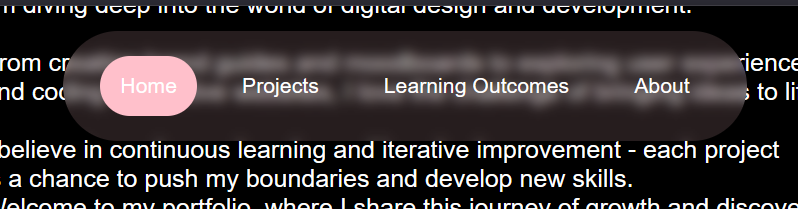
I did ask for more user feedback for my portfolio and implemented a few changes here and there when it
came to my navbar, footer, and page layouts. I need to repeat this process more regularly to get more
comfortable with it. I also got feedback on my storyboard and sketches/test animations for Project X,
but as the project had a short duration, I couldn’t repeat this cycle often enough.
I need to work on my planning skills so I can really create an iteration routine in the next semester
and document decisions systematically, balancing creative vision with practical feedback. This is also a
topic I will be discussing with my study coach for next semester.